30 years in semi-trailer supply and after-sales service in Africa
Find your trucks by your way!
Leading semi-trailers supplier in Africa
Garbage Compactor Semi Trailer
Unique Advantages:
Fully sealed large hopper
Fully electronic control
Wireless remote control
Hydraulic oil radiator
Independent safety bars
Integrated slide
Crawler Dump Semi Trailer
Unique Advantages:
Highly reliable mechanical transmission system
Highly stable chain
Rear door with dual-stage hydraulic sealing and locking structure
More convenient remote control
Higher durability and safety factor
Higher efficiency and more environmentally friendly
OEM & SEMI-TRAILER
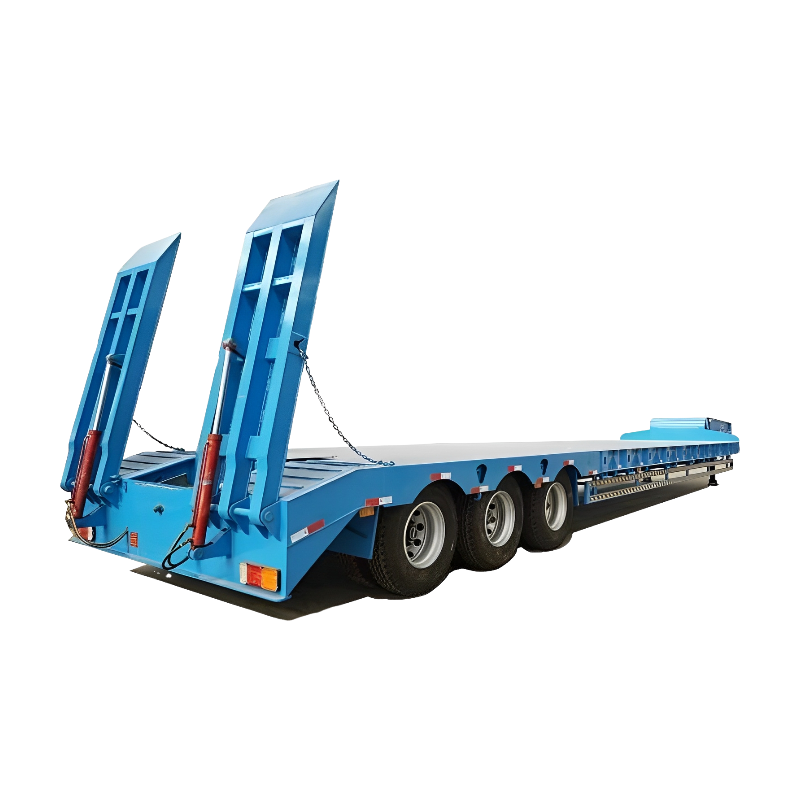
Three axle heavy duty lowbed semi-trailer
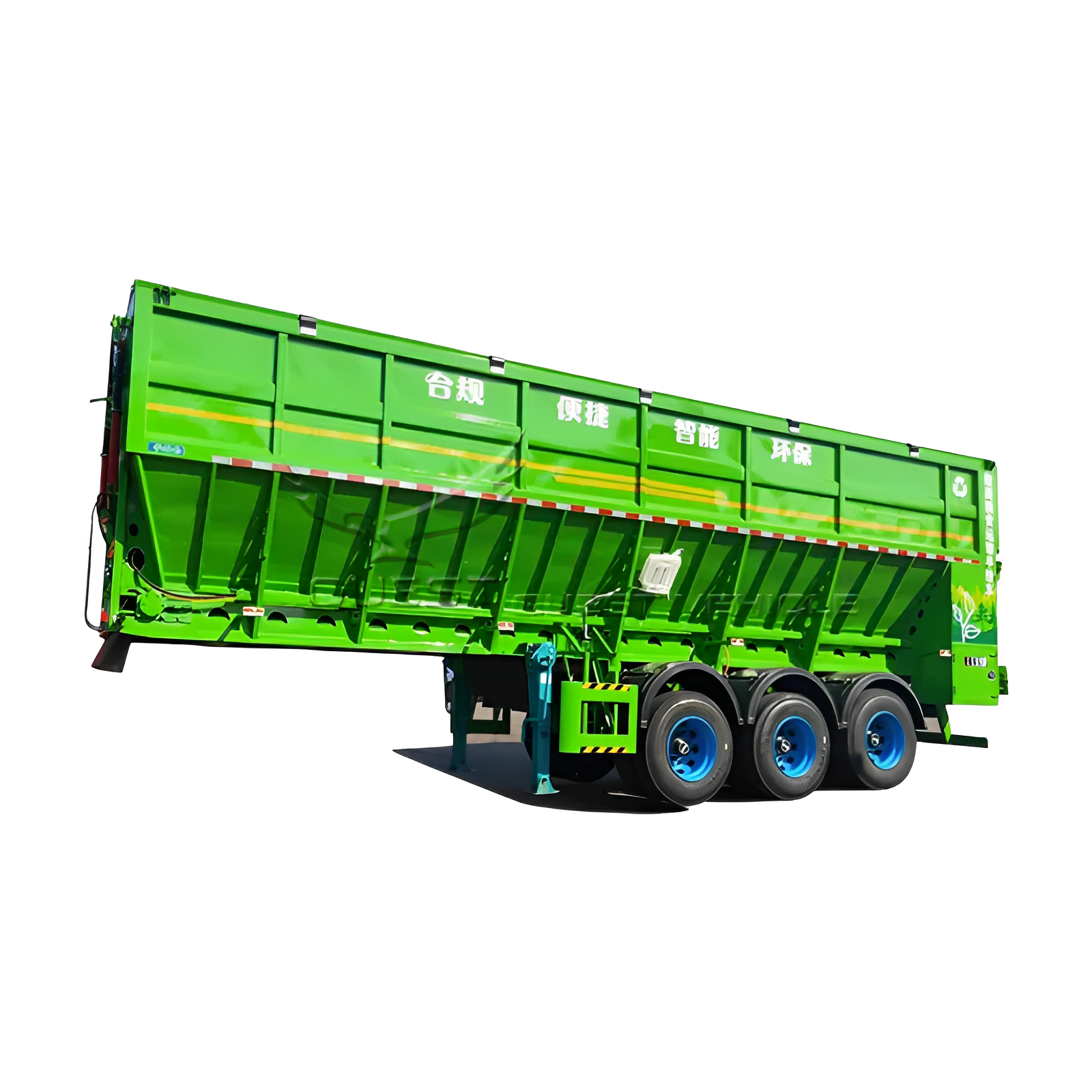
Conveyor belt dump semi-trailer
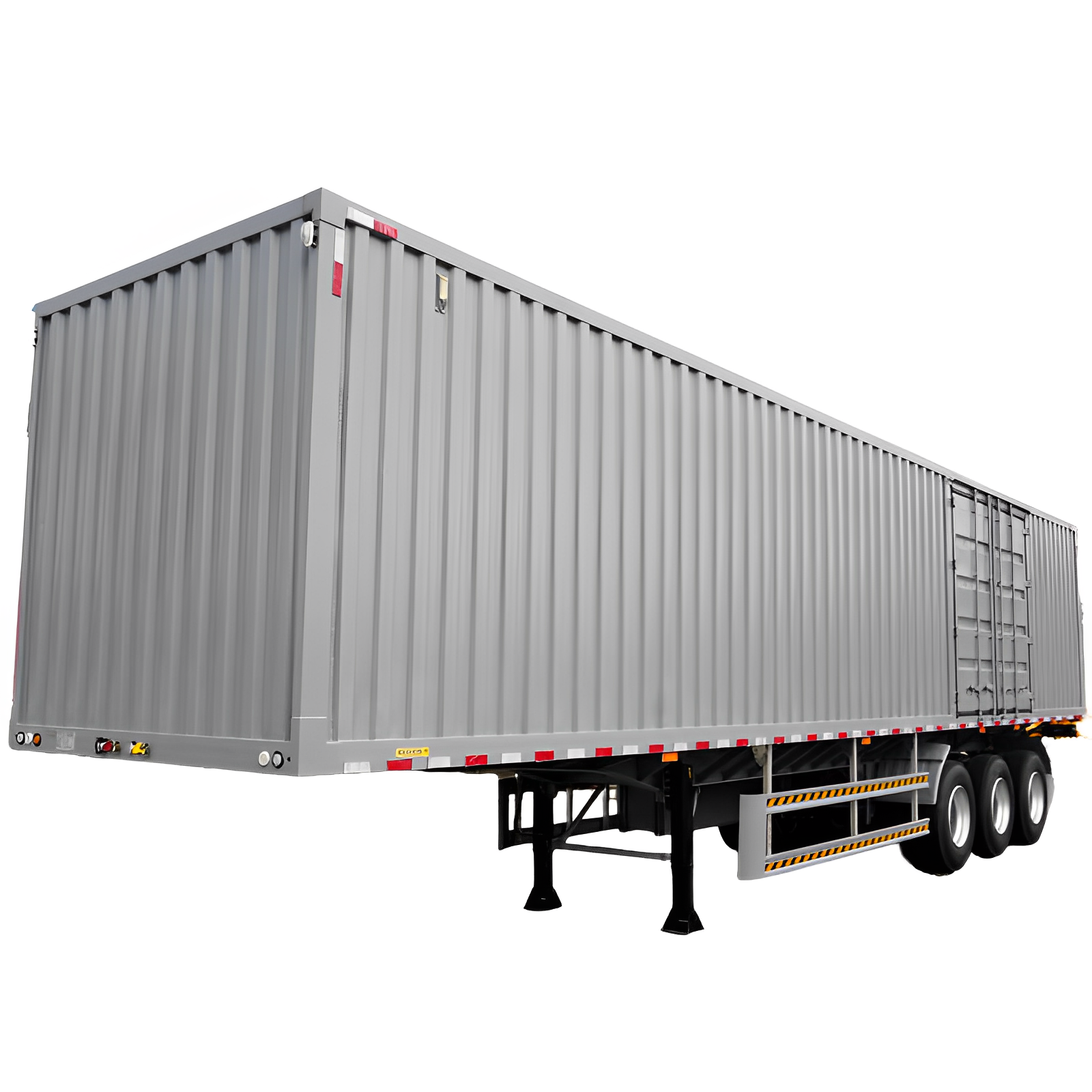
Three axle box semi-trailer
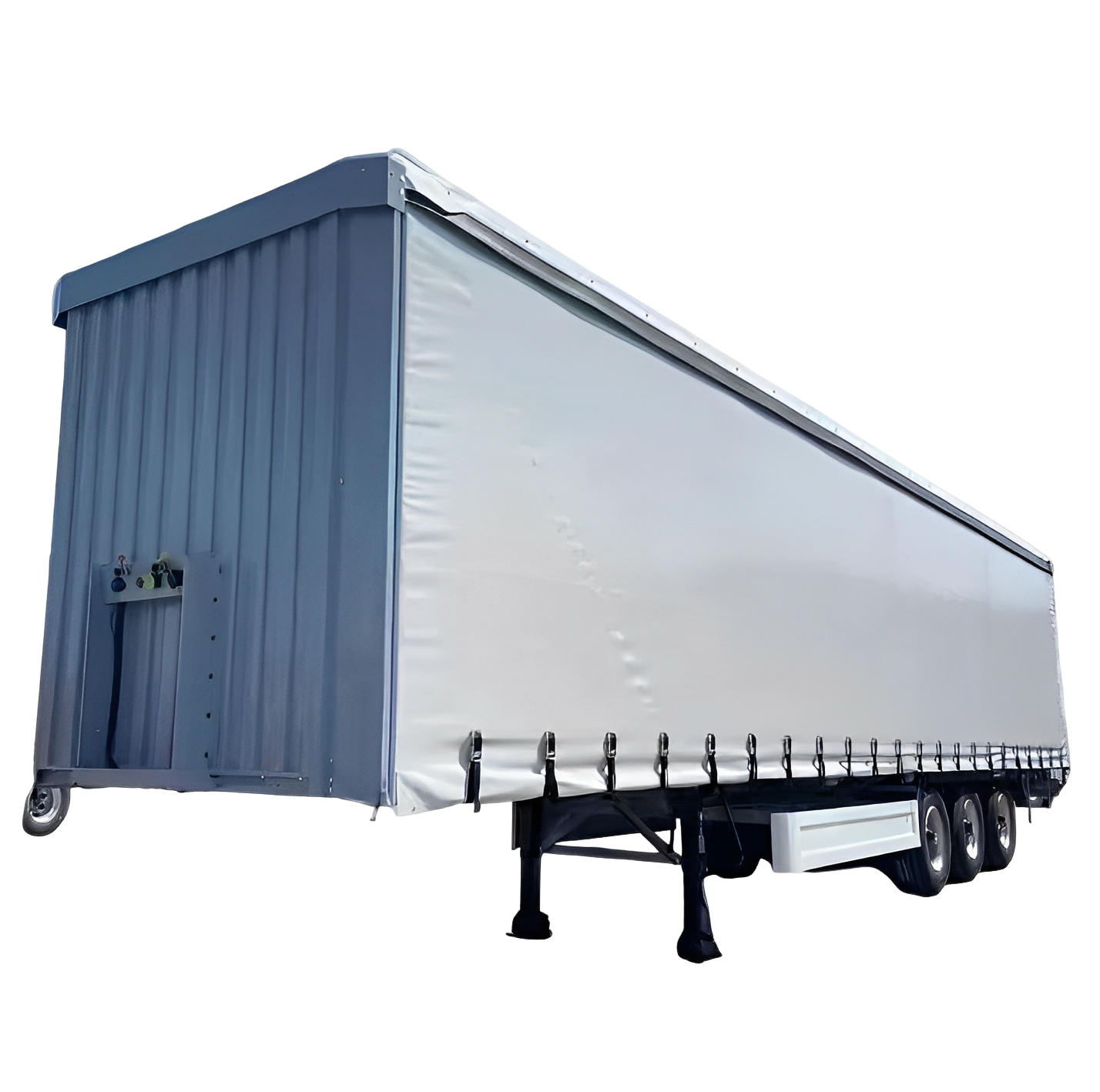
Curtain side semi-trailer
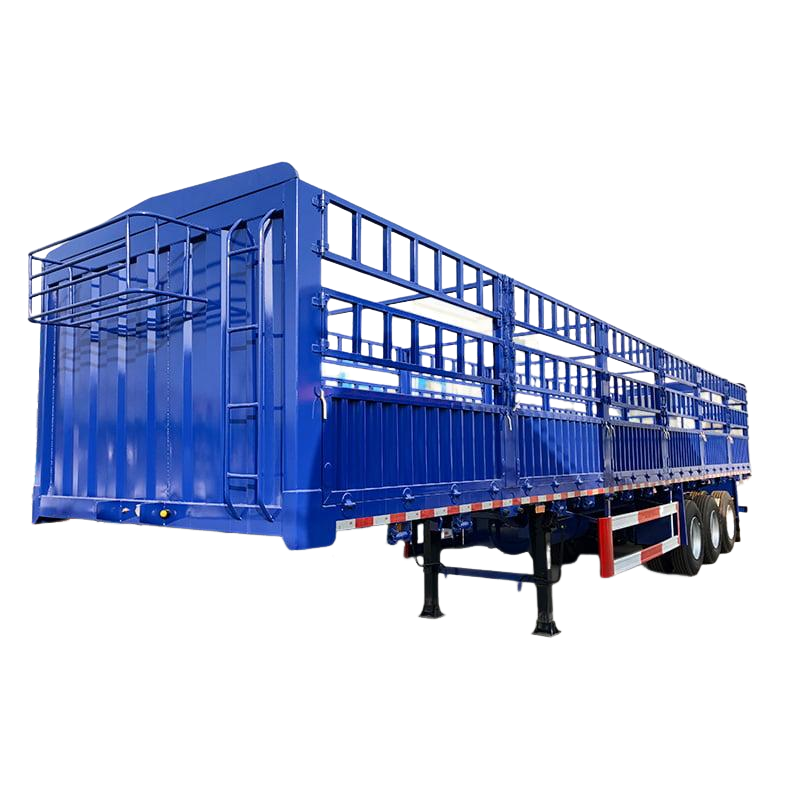
Three axle fence semi-trailer
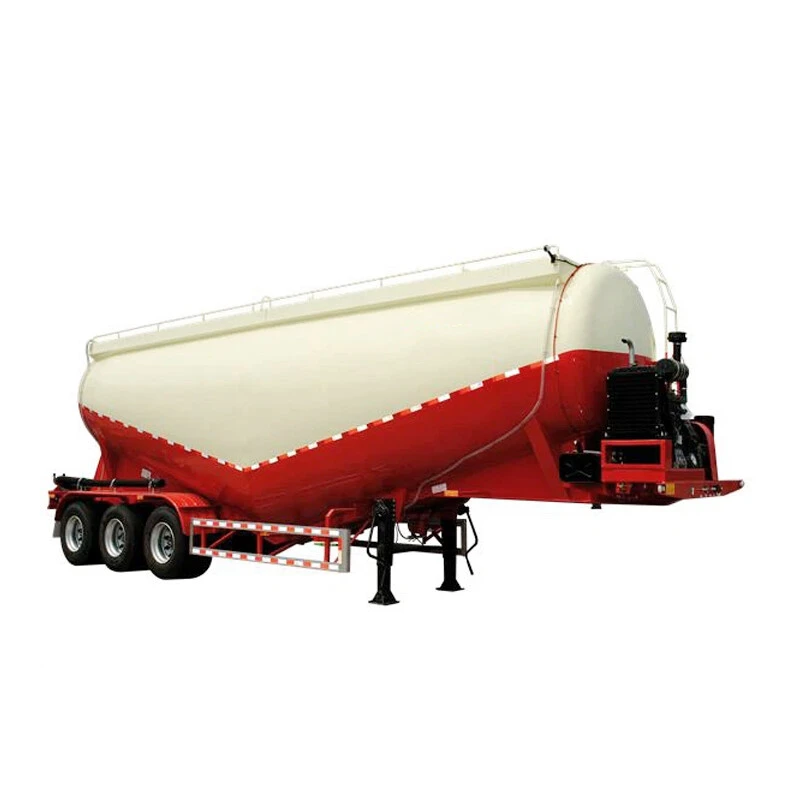
Three axle concrete mixer semi-trailer
Professional semi-trailer supplier
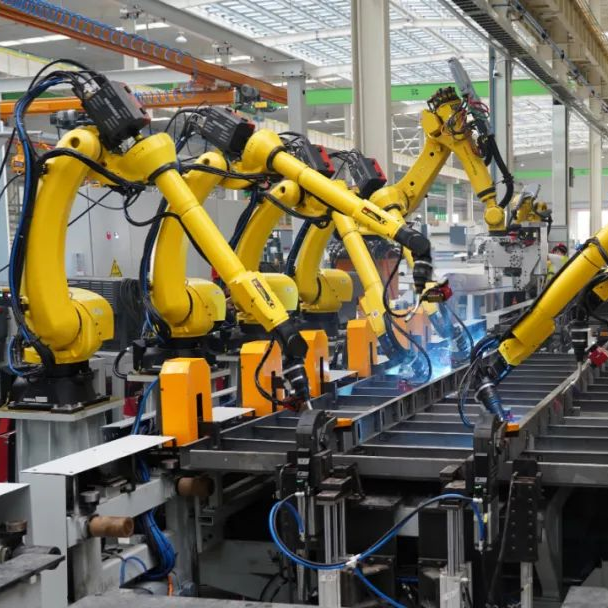
Product Quality And Compliance
Uncompromising Quality Assurance
Our semi-trailers undergo rigorous quality checks at every stage, from raw material sourcing to final assembly. Our ISO 9001:2023 certification guarantees adherence to the highest international standards.
Comprehensive Testing and Safety
Each semi-trailer endures 120 hours of operational testing and 10,000 kilometers of road testing under harsh conditions. Meeting ECE-R13 (brakes) and ECE-R29 (cab safety) standards, our trailers ensure safe and reliable operation.
Industry-Leading Reliability
Thanks to our stringent quality control, our semi-trailer defect rate is only 0.5%, significantly lower than the industry average of 2.3%. This translates to dependable performance and minimized downtime for your operations.
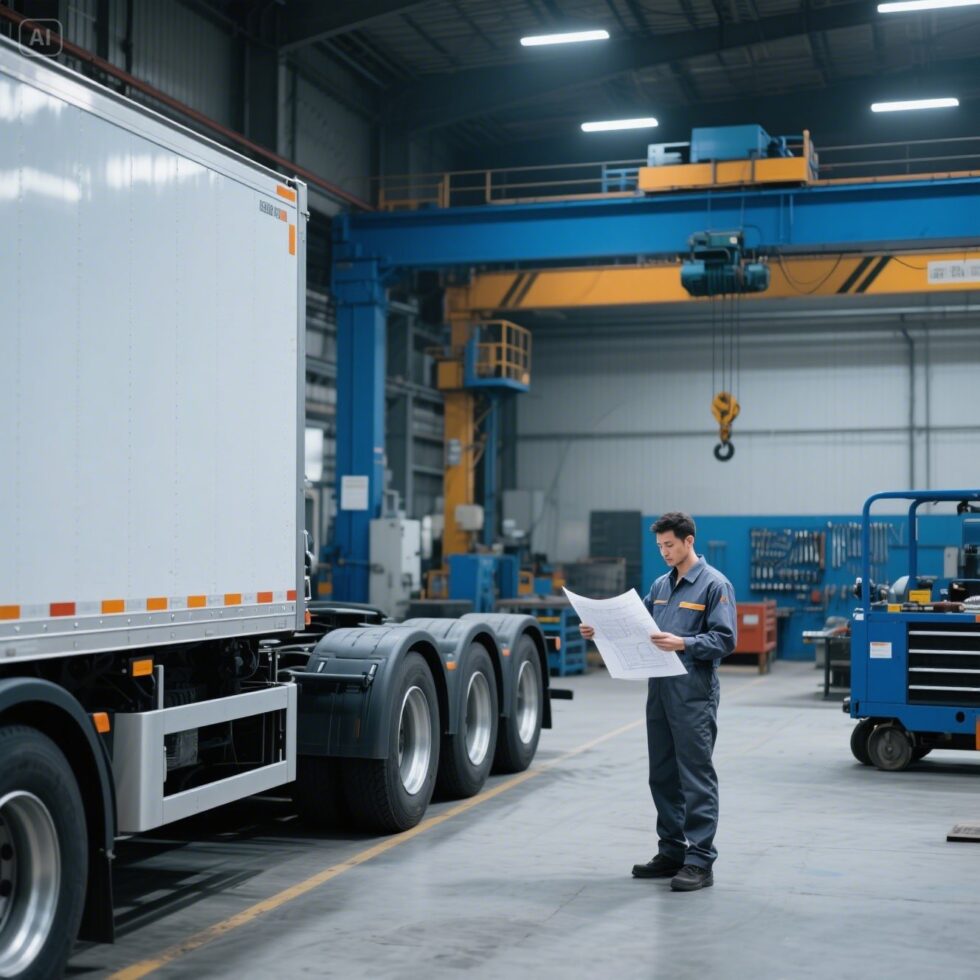
Provide Customized Solution
Industry-Specific Customization
We recognize the unique challenges of each industry. Our experienced in-house engineering team collaborates with you to develop custom semi-trailer solutions, ranging from specialized mining equipment carriers to temperature-controlled refrigerated transport.
Comprehensive Customization Process
Our process involves in-depth consultation, prototype creation, rigorous field testing, and continuous improvement before full production. Choose from over 200 customization options, including chassis length, axle configuration, load capacity, cabin design, and specialized equipment integration.
Precision-Engineered to Your Needs
Our custom-designed semi-trailers are built to precisely match your business requirements. Improve your operational efficiency and gain a competitive edge with transportation solutions tailored to optimize your specific workflow.
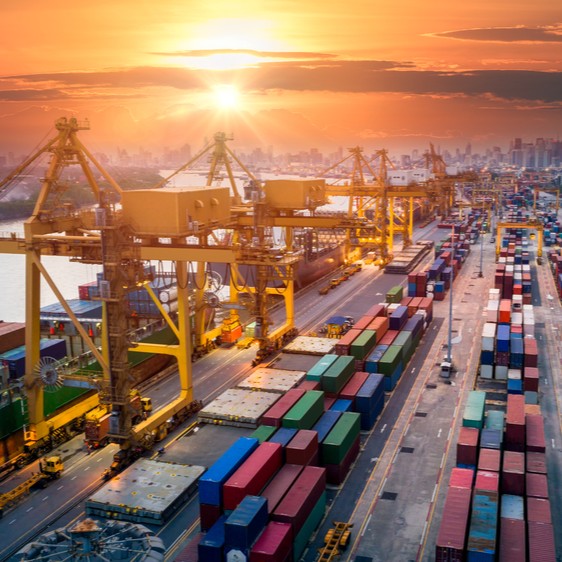
Supply Chain And Logistics
Rapid Response & Efficient Delivery
Our integrated factory and service center network provides swift vehicle delivery within 72 hours and parts availability within 24 hours within our service area.
Streamlined & Transparent Transportation
Benefit from our established weekly transportation routes and in-house customs clearance. Track your semi-trailer order in real-time, from factory to final destination.
Factory-Direct Advantage
Purchase directly from our factory to eliminate intermediaries, accelerating delivery by 15 days while ensuring competitive pricing.
Secure & Reliable Logistics
Every shipment is insured and handled by professional equipment movers, guaranteeing your semi-trailer arrives in perfect condition.
Customer Service And Support
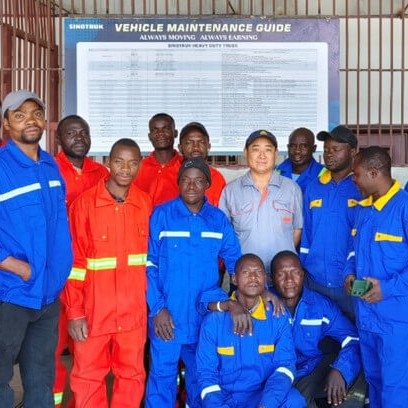
Hualong Auto runs many service centers with top tools at service stations. We give you quick tech help no matter where you work. Our service network offers:
24/7 Emergency Assistance
A dedicated helpline is available around the clock. Expect a guaranteed response within 30 minutes – day or night. We’re committed to getting you back on the road quickly.
Rapid On-Site Support
Our mobile service teams are strategically located to reach your location within 24 hours, even in remote areas. We bring the expertise to you, reducing costly delays.
Expedited Parts Delivery
Access to over 30,000 genuine parts in our inventory. 98% of parts are available for same-day shipping, minimizing downtime and keeping your operations running smoothly.

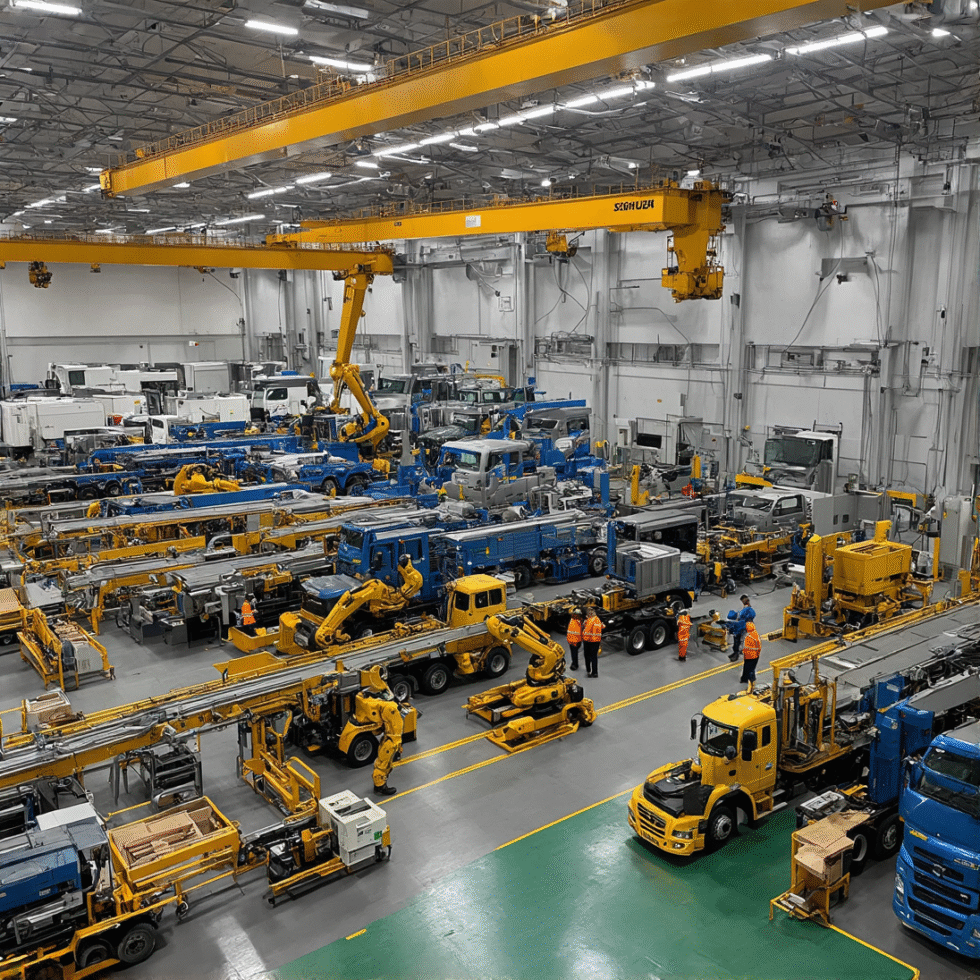
Factory And Production Capacity
Advanced Production Facility
Our 120,000 square meter production base is equipped with cutting-edge technology, including automated production lines that guarantee consistent precision. Our team of over 450 skilled experts maintain rigorous quality control throughout every stage of the manufacturing process.
Unmatched Production Capacity
Annual production exceeds 5,000 semi-trailers. Our 12 production lines boast an efficiency rate of 85%, significantly higher than the industry average. This allows us to fulfill even customized orders with exceptional speed and precision.
Comprehensive Parts Inventory
A dedicated 15,000 square meter parts warehouse holds over 30,000 genuine parts. This ensures readily available components for manufacturing, after-sales service, and rapid response to your needs.
Save Cost
Lower fuel consumption
In the Past Three years
DANGOTE Compnay by using our trucks
saved 20000L
of diesel per truck
maintenance costs reduced
MUSA BISCUITS LIMITED by using our trucks
4 cents
maintenance costs as low as
HIGHER QUALITY
100%
Africa local service
DUTY TRUCK & SEMI-TRAILER CUSTOMERS
We have 3 large service stations in southern Africa
global customers
truck sales
after-sale service
Trusted by
Partners From Various Industries







HUALONG AUTO Customers
“Since purchasing this semi-trailers, our transportation efficiency has increased by 30%. Its powerful performance and reliability allow us to handle heavy workloads with ease.”
Our construction company has relied on Hualong semi-trailers for over five years. The durability and robust load-bearing capacity of these vehicles have significantly reduced our downtime, enabling us to complete projects on time and within budget. In particular, its high-strength steel frame has withstood the test of various harsh construction sites.
As a fleet manager, I’ve always prioritized reliability and fuel efficiency. Hualong semi-trailers have exceeded our expectations, providing outstanding performance while keeping our operating costs low. Its optimized aerodynamic design has reduced our fuel consumption by nearly 10% per 100 kilometers. It’s been a game-changer for our distribution network.
These semi-trailers have become an essential part of our agricultural operations. They handle tough terrain with ease and have proven to be incredibly fuel-efficient. The fast service also ensures that we can operate smoothly during the harvest season. In particular, their customized low center of gravity design ensures the stability of agricultural product transportation and reduces losses.
Our mining company has been using Hualong semi-trailers for five years. The trucks are durable, powerful and reduce our downtime. This helps us complete projects on time and within budget. Their service team is able to respond quickly to our needs and give us strong support. It is especially worth mentioning that the reliability of their vehicles in extreme environments greatly reduces our operating risks.
Choosing Hualong Auto can provide you with
Key Features
We believe Hualong Auto can meet your semi-trailer needs. You will get fast and reliable service to meet your transportation needs and grow your business!
Powerful engine, excellent performance
Achieve extremely fast transportation and easily cope with various complex road conditions.
Safety first
Comprehensive safety features ensure the safety of you and your cargo on every trip.
Green and fuel-saving solutions
Reduce fuel costs, reduce pollution, and achieve your environmental goals.
Get In Touch
Location
Plot No.14120/ M six miles,Great North Road, Lusaka Zambia